Ocean and ecology
The reef beyond the virtual scene
The original marine studies meet a later record of coral heat stress, bleaching and the possibility of recovery.
SEAing Breath archive editorial3 min read
Looking again at the marine studies
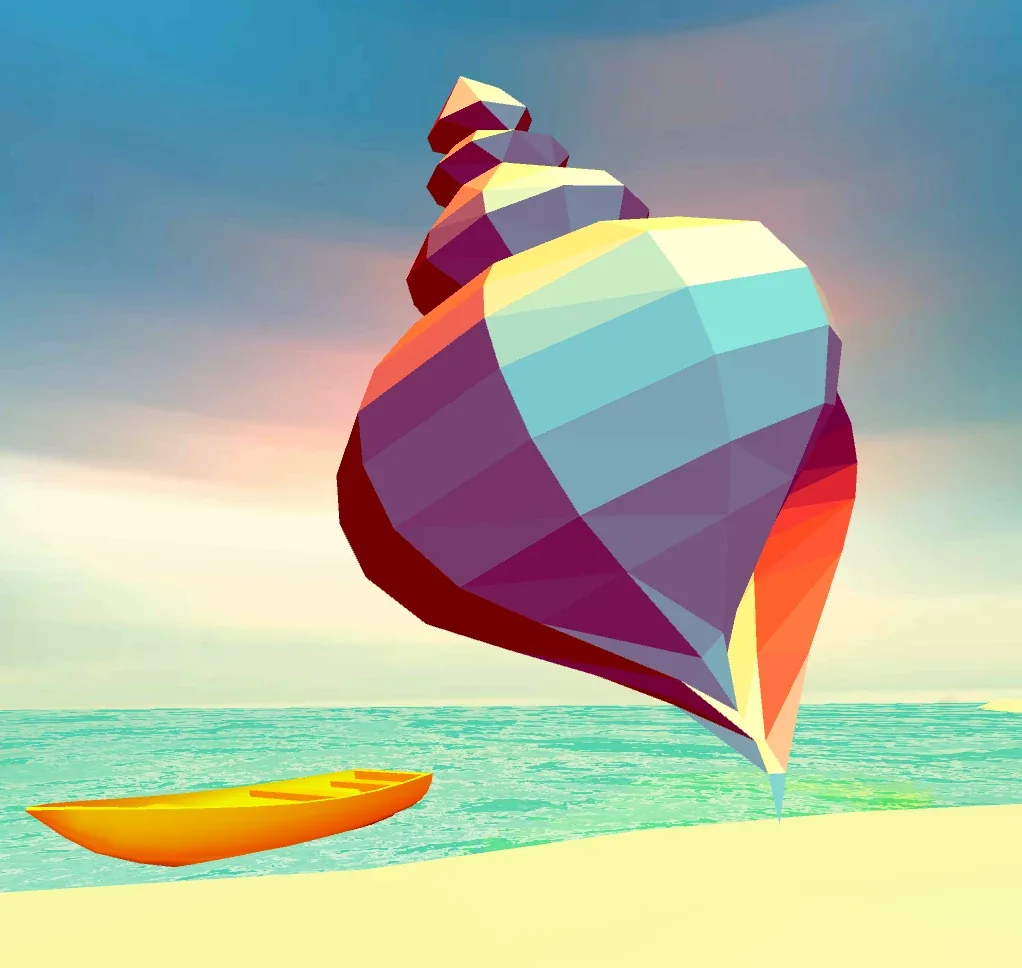
The early SEAing Breath archive includes drawings of corals, an underwater landscape and interactions with sea creatures. These forms invite attention to a living environment through a deliberately stylised virtual scene. Looking again at them in 2026 brings a further question into view. What has happened to the ecosystems that give this imagery its resonance?
NOAA announced on 2 June 2026 that the fourth global coral bleaching event had likely concluded in mid-2025. Its account describes bleaching-level heat stress affecting 84 percent of the world’s coral reef area from early 2023 to mid-2025. Mass bleaching was documented in at least 83 countries and territories. These are observations about a particular global event and its period of exposure. [1]
What the numbers describe
The 84 percent figure measures reef area exposed to bleaching-level heat stress. Coral mortality is a different measure. Keeping the distinction visible matters when a large number moves from a scientific report into a headline, a lesson or an artwork. The scale of heat exposure can be communicated directly without turning it into an unsupported estimate of coral loss. [1]
NOAA explains that stressed corals can expel the symbiotic algae living in their tissues. The resulting loss of colour is called bleaching. Some corals can recover when conditions improve. Prolonged stress and algae loss can lead to death. Temperature is one important cause, and other changes in environmental conditions can also produce bleaching. [2]
Images, observations and attention
The virtual corals in SEAing Breath belong to the artwork’s visual language. Reading them beside a dated observation record gives a visitor two ways to spend attention. One is the close encounter with forms, light and movement. The other is the practice of asking what a measured value represents, where it was observed and over what period.
An ocean education experience can make room for both. A visitor might first explore a scene, then look closely at a real observation and describe the difference between exposure, bleaching and survival. The original coral sketches are a useful place to begin that sequence because their construction is visible. They make it possible to discuss how an image is made and how a scientific claim is supported.
The development films below preserve those sketches as they were made in 2017. The NOAA links provide contemporary context for the reef systems that viewers may associate with them. Following both routes gives the archive a continuing ecological conversation.
Sources
- 1.
NOAA NESDIS · 2 June 2026
World’s Fourth Mass Coral Bleaching Event Likely Ended in 2025 ↗ - 2.
NOAA Ocean Service
What is coral bleaching? ↗